Product Overview
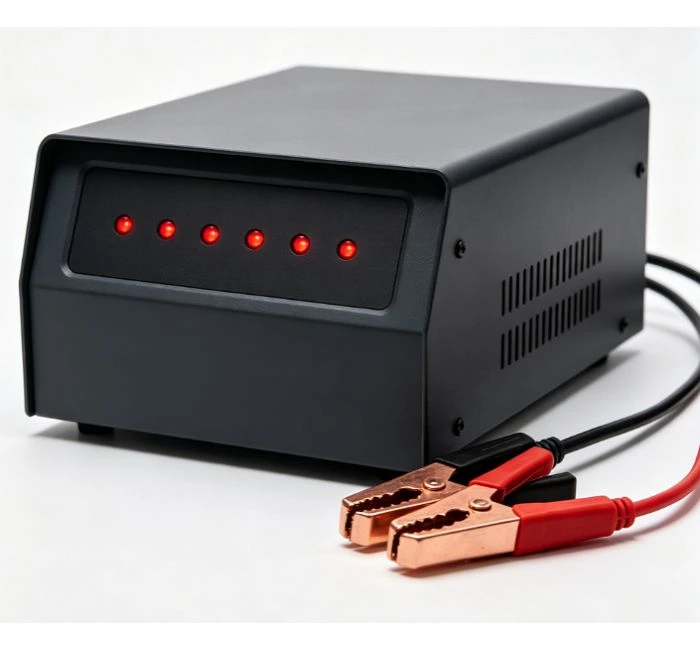
Pulse Battery Reconditioning Chargers provide controlled 12V charging with pulse-based reconditioning for compatible lead-acid automotive batteries. The 2A configuration supports battery capacities up to 100Ah and uses an automatic 5-stage charging sequence.
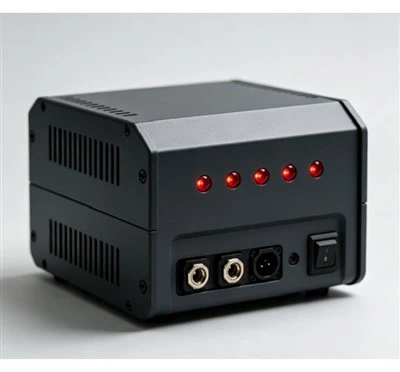
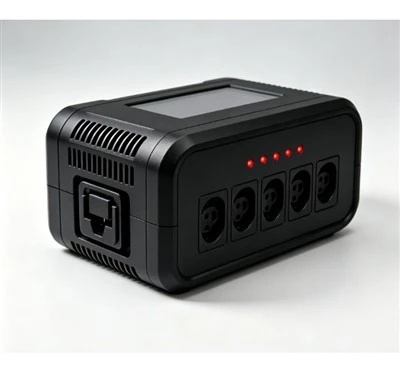
The charging cycle combines battery analysis, activation, pulsing and desulphurization. Five red LED indicators show charging status, while the IP65 enclosure provides protection against dust ingress and water jets. The configuration fits automotive battery maintenance in garages, workshops and vehicle storage areas.
Key Product Features
Pulse Reconditioning
Pulse operation is integrated into the charging cycle for controlled reconditioning of compatible lead-acid batteries.
5-Stage Control
Automatic 5-stage charging manages the sequence from battery analysis through charging and maintenance.
Battery Analysis
Battery condition is checked as part of the programmed charging sequence before the relevant charging stages are applied.
Desulphurization
A dedicated desulphurization function forms part of the reconditioning cycle for compatible lead-acid batteries.
Technical Specifications
|
Parameter |
Specification |
|
Product Type |
Pulse Battery Reconditioning Charger |
|
Battery Voltage |
12V |
|
Charging Current |
2A |
|
Supported Battery Capacity |
Up to 100Ah |
|
Battery Chemistry |
Lead-Acid |
|
Charging Program |
Automatic 5-Stage |
|
Reconditioning Functions |
Analysis, Activation, Pulsing, Desulphurization |
|
Status Indicators |
5 Red LEDs |
|
Enclosure Rating |
IP65 |
|
Primary Use |
Automotive Battery Charging and Reconditioning |
Battery Compatibility
12V Platform
The charger is specified for compatible 12V lead-acid automotive batteries.
Up to 100Ah
The 2A configuration supports battery capacities up to 100Ah, providing a defined range for automotive battery service.
Lead-Acid Chemistry
The charging and reconditioning sequence is intended for compatible lead-acid automotive batteries within the specified voltage and capacity range.
Charging and Reconditioning Process
Battery Analysis
The charging sequence begins with battery condition analysis to establish the appropriate charging response.
Activation
Controlled activation forms part of the programmed sequence before the main charging stages.
Pulse Operation
Pulse charging is incorporated into the reconditioning process and operates within the automatic charging program.
Desulphurization
The desulphurization stage supports the reconditioning cycle for compatible lead-acid batteries.
Charge Control
The 5-stage program controls the transition between analysis, charging and maintenance functions.
Protection and Operation
IP65 Enclosure
The IP65 enclosure provides protection against dust ingress and water jets for suitable workshop and service environments.
LED Status
Five red LEDs provide a direct visual indication of charging progress and operating status.
2A Output
The 2A charging configuration matches the specified battery capacity range and supports controlled automotive battery service.
Service Format
The charger is suited to fixed service areas, workbenches, garages and vehicle storage locations.
Typical Applications
Automotive Workshops
Suitable for battery charging and reconditioning during vehicle inspection, service and maintenance.
Garages
The automatic charging program supports routine battery service where repeatable charging operation is required.
Vehicle Storage
Applicable to battery maintenance for vehicles that remain parked for extended periods.
Battery Service Programs
Suitable for product ranges covering 12V lead-acid battery charging, maintenance and reconditioning.
Procurement Considerations
Voltage
Select the charger for compatible 12V lead-acid automotive battery systems.
Capacity
The specified 2A configuration supports batteries up to 100Ah.
Reconditioning Functions
Confirm the required combination of battery analysis, activation, pulsing and desulphurization when defining the product specification.
Environmental Rating
IP65 protection is suited to applications requiring enclosure protection against dust ingress and water jets.
Market Requirements
Product documentation should be reviewed against the electrical, safety and regulatory requirements of the intended sales market.
Manufacturing and Quality Requirements
Electrical Assembly
Production control covers charging circuitry, electrical connections, indicator assembly and enclosure integration.
Functional Testing
Testing can verify charging output, programmed charging stages, LED operation and reconditioning functions.
Product Documentation
Technical files should identify electrical specifications, battery compatibility, operating instructions, packaging details and applicable compliance information.
Batch Control
Defined inspection procedures and production records support consistent specifications across repeat production.
FAQ
Q: What batteries does the charger support?
A: It supports compatible 12V lead-acid automotive batteries with capacities up to 100Ah.
Q: What is the charging current?
A: The specified charging current is 2A.
Q: Which reconditioning functions are included?
A: The charging program includes battery analysis, activation, pulsing and desulphurization.
Q: How many charging stages are used?
A: The charger uses an automatic 5-stage charging sequence.
Q: What does IP65 mean for this charger?
A: The IP65 enclosure provides protection against dust ingress and water jets for suitable operating environments.
Q: What should be confirmed before purchasing?
A: Confirm the battery voltage, chemistry, capacity, charging current, reconditioning functions, enclosure rating and applicable market requirements.